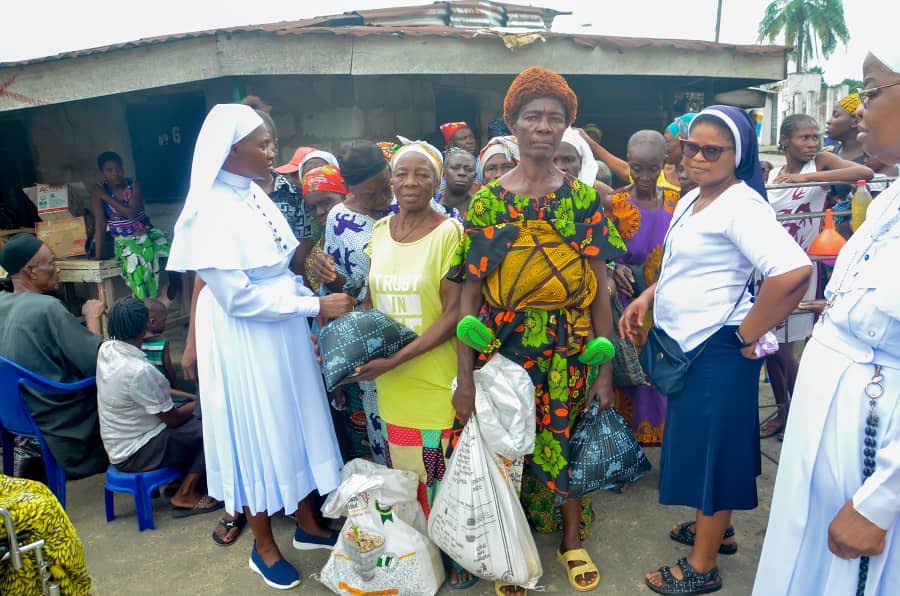
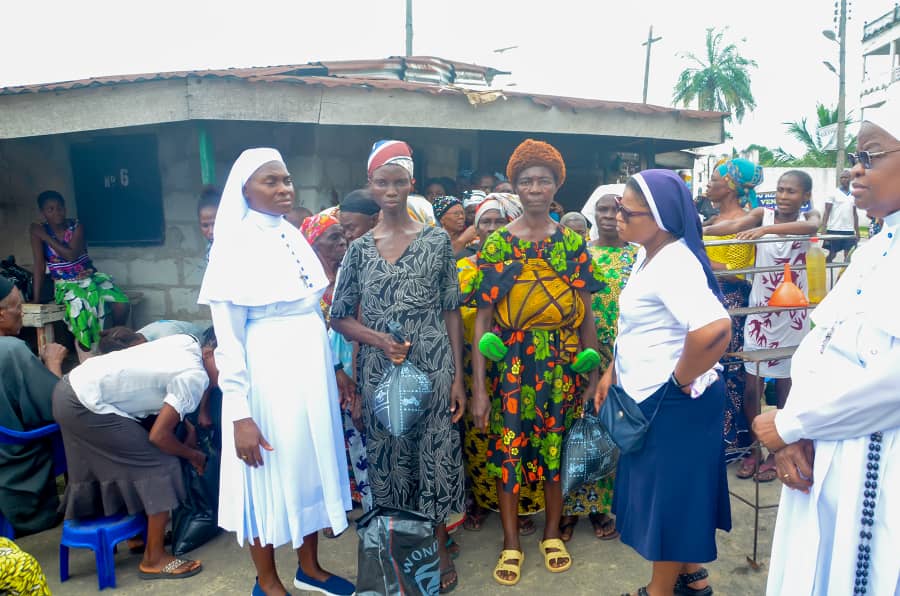
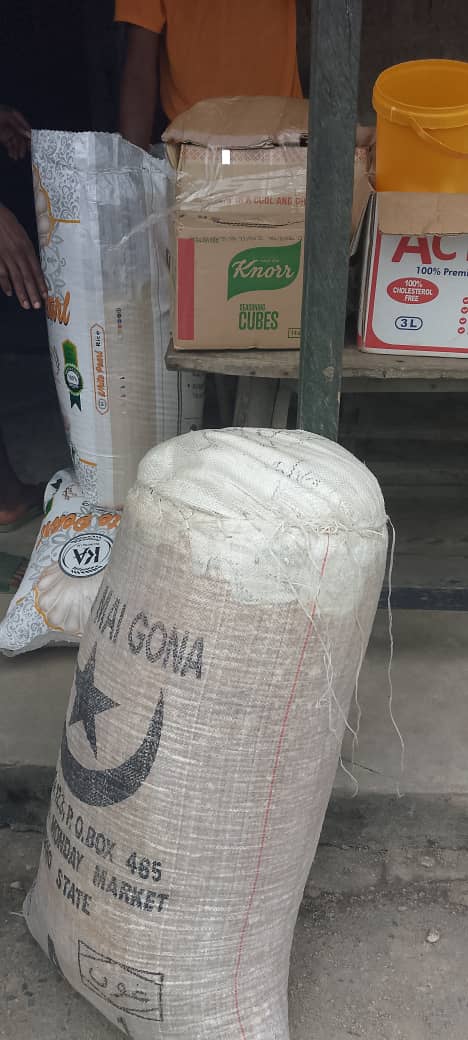
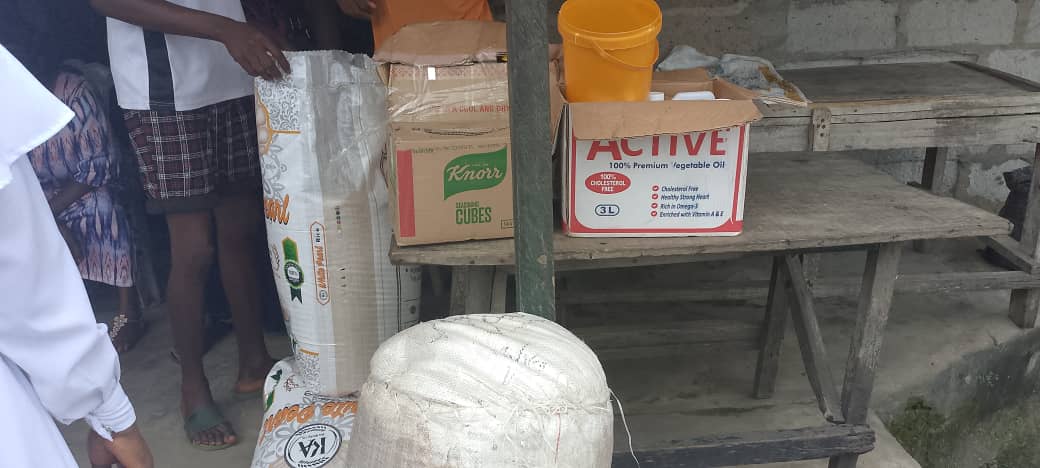
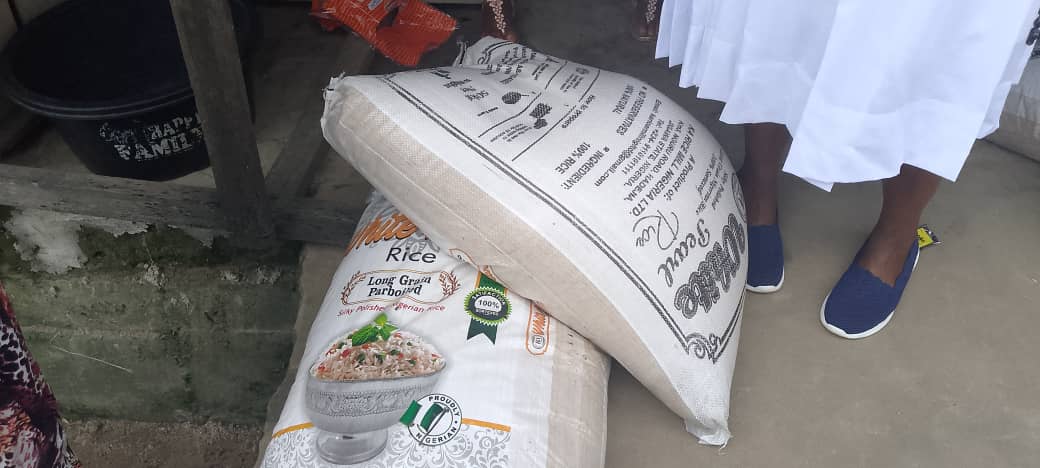
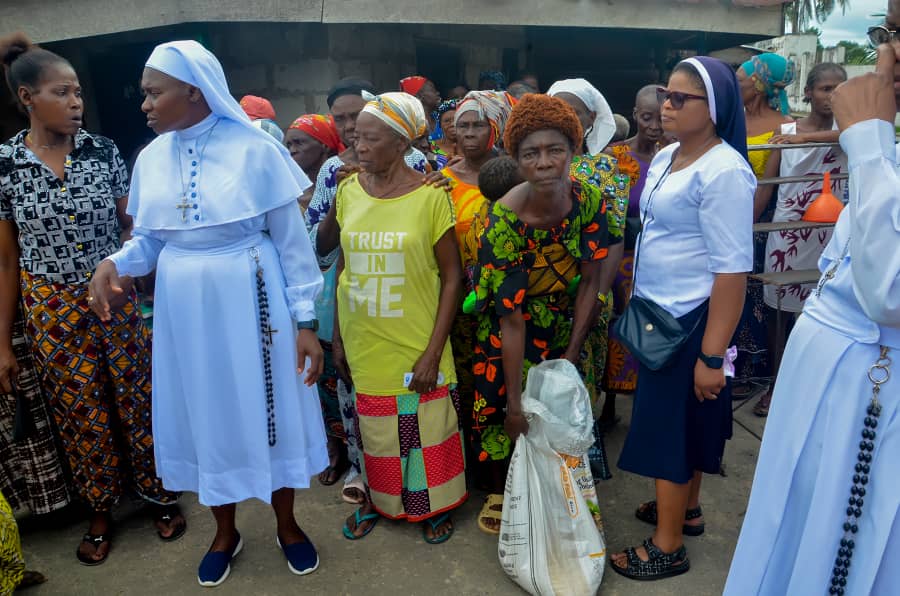
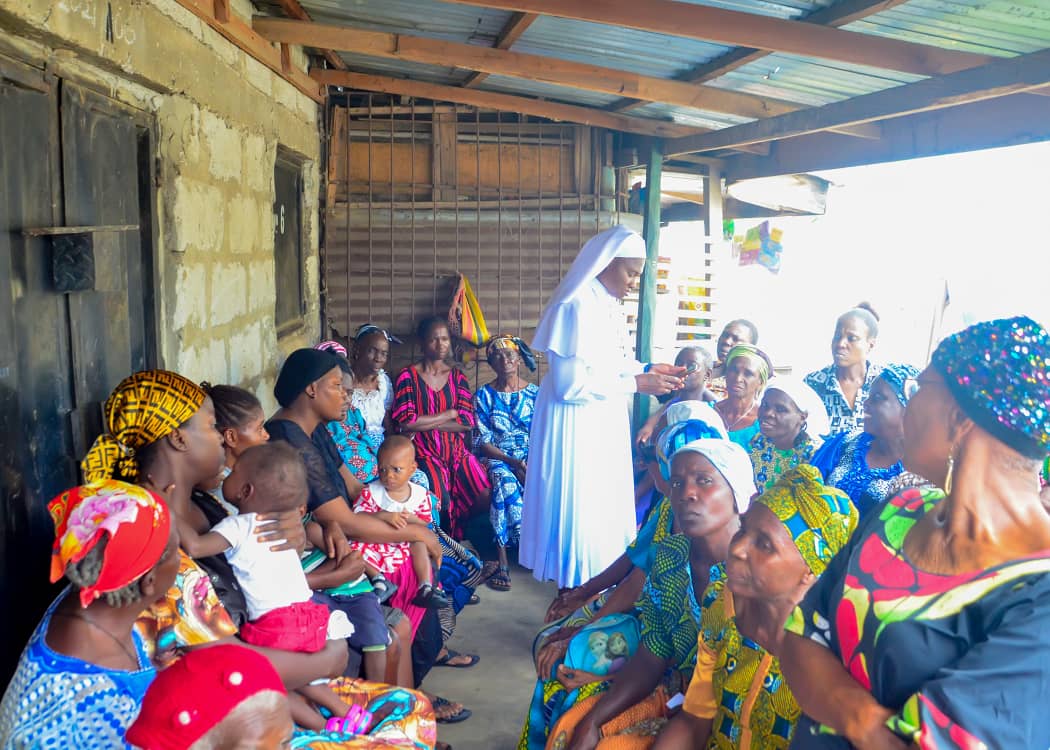
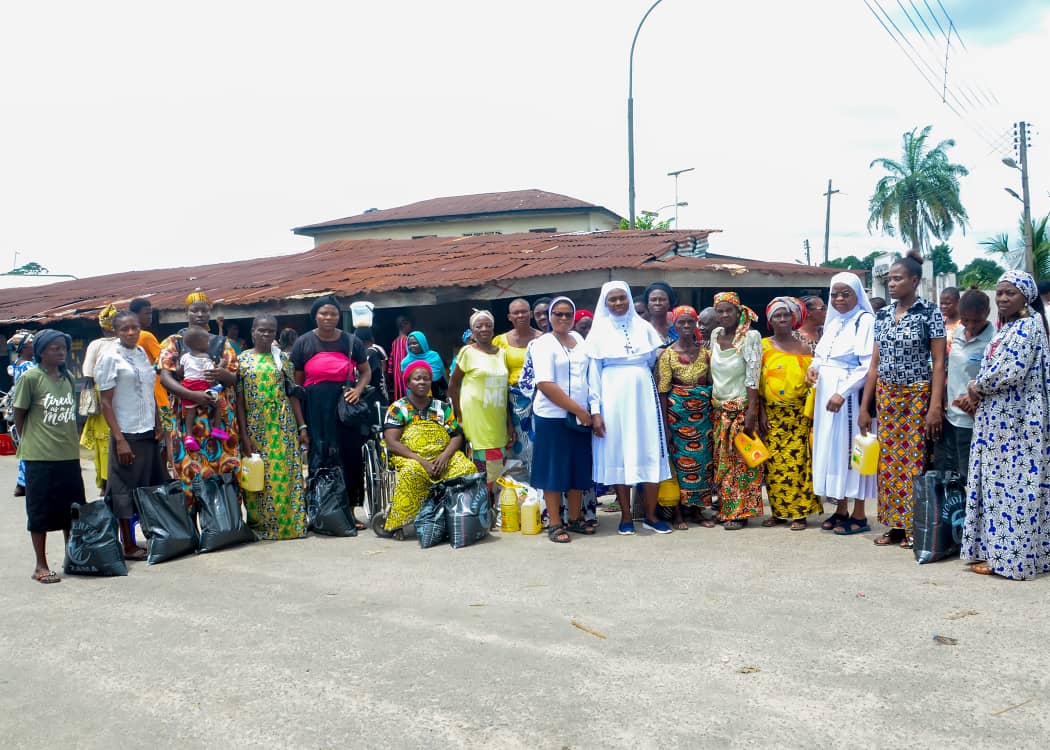
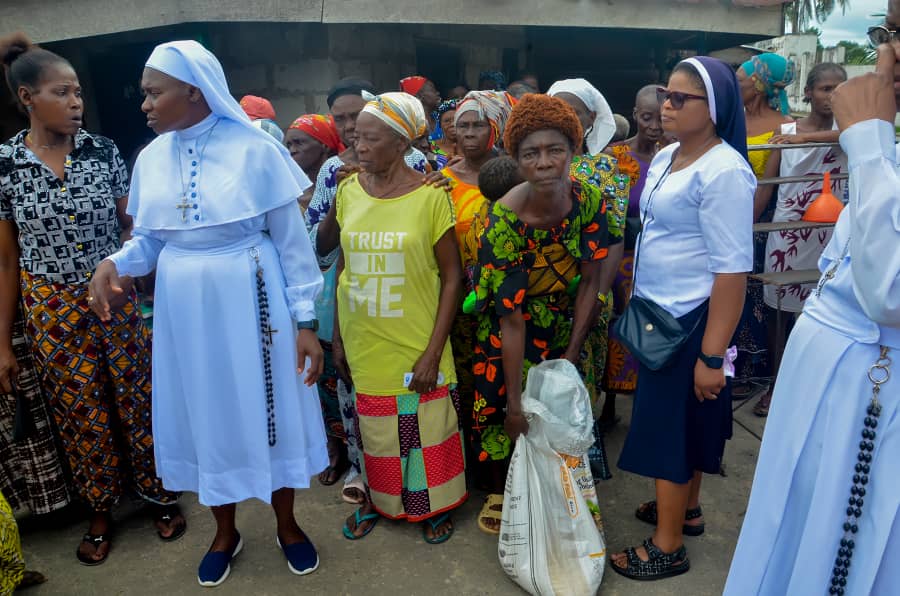
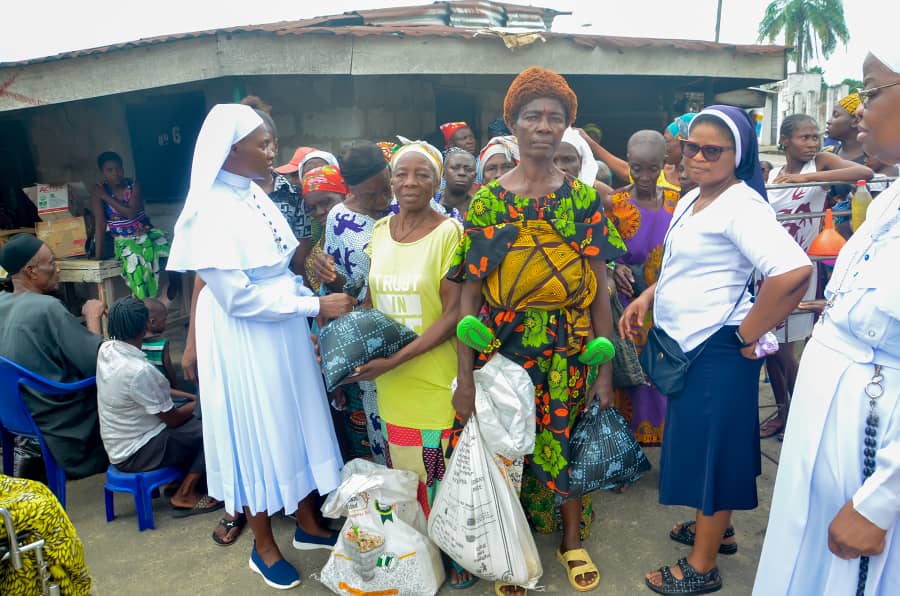
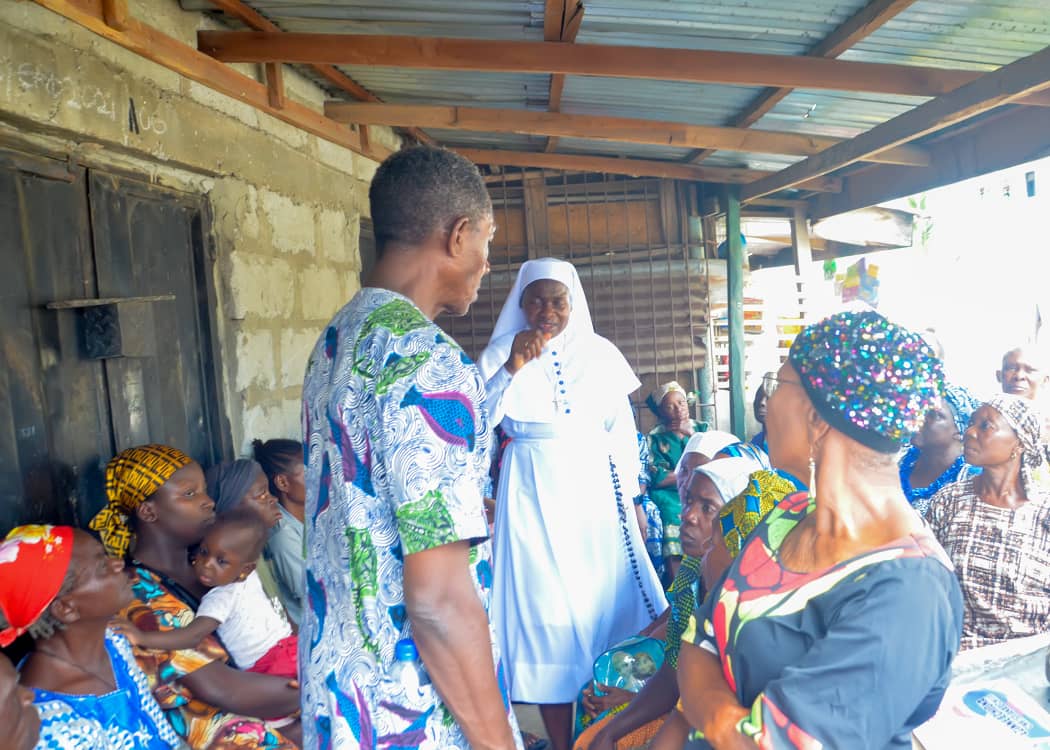
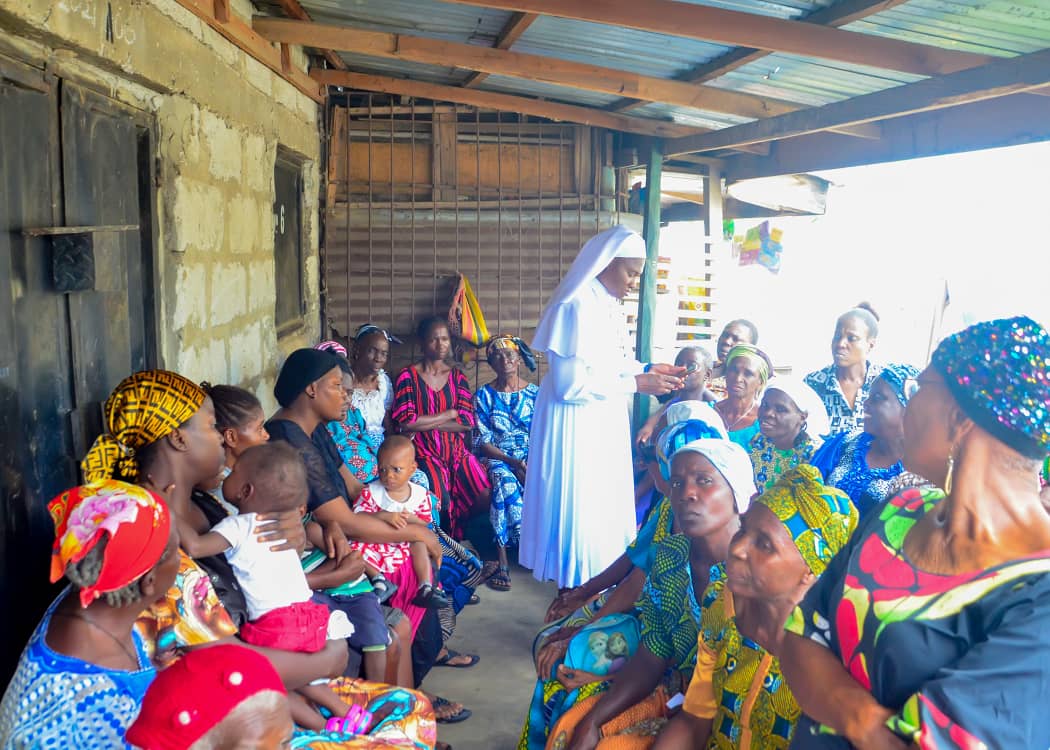
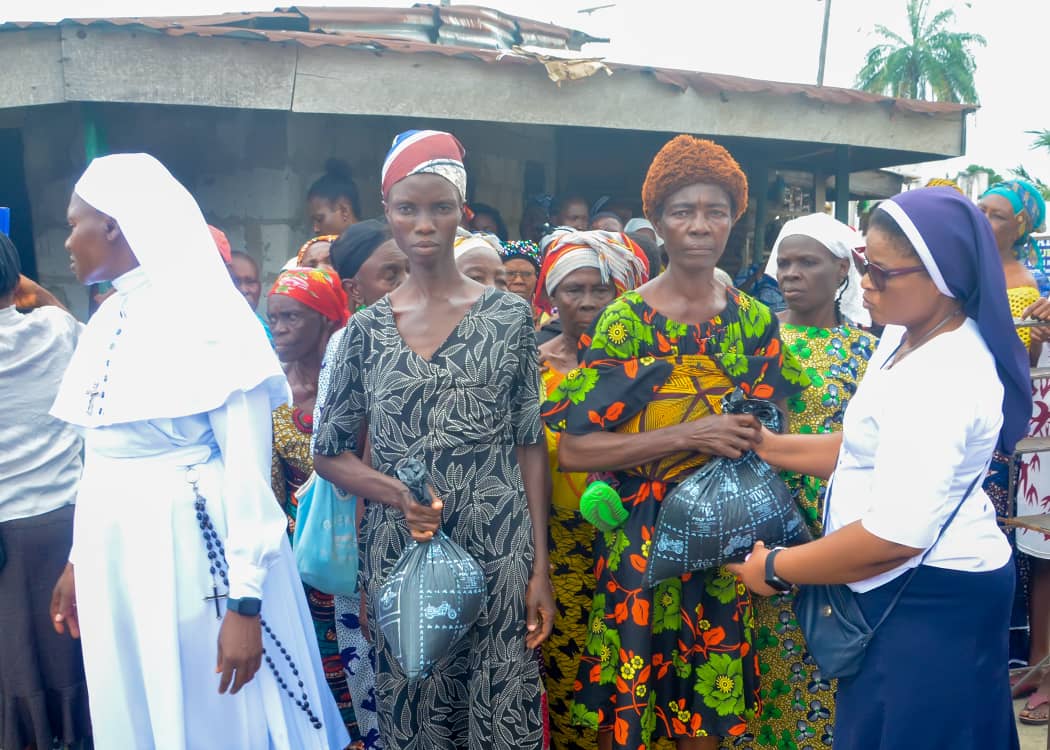
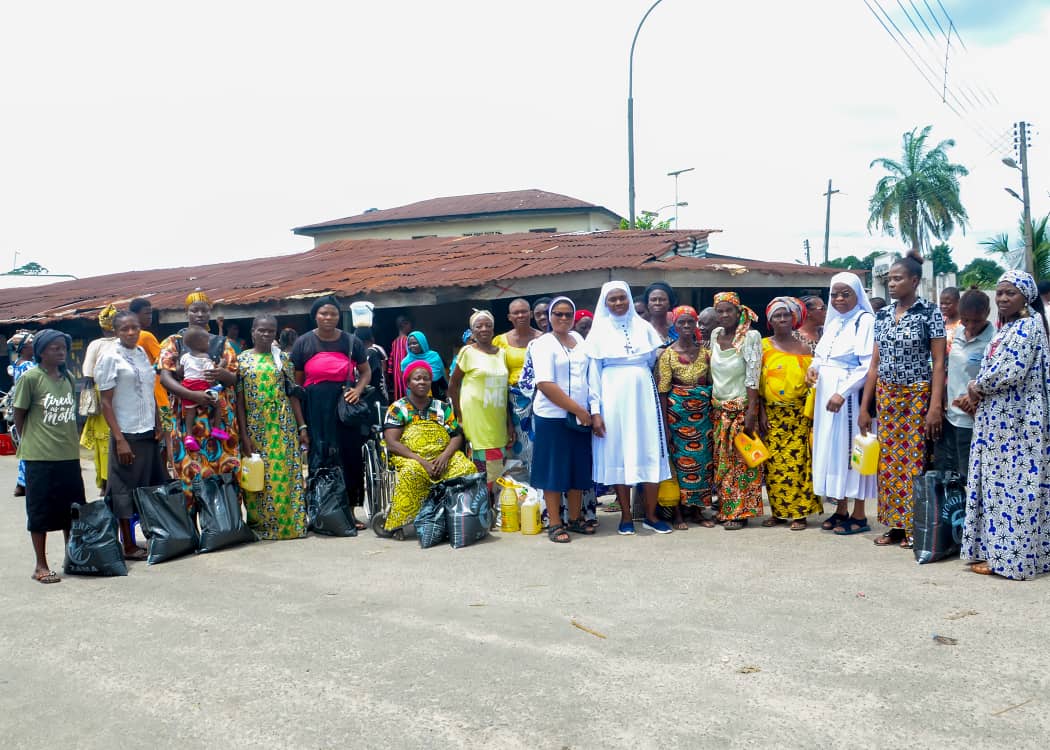
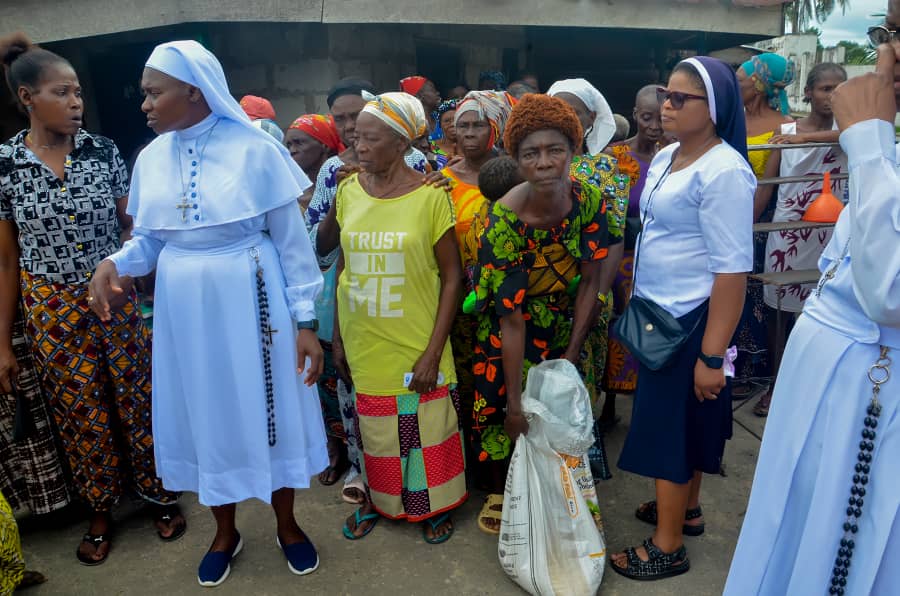
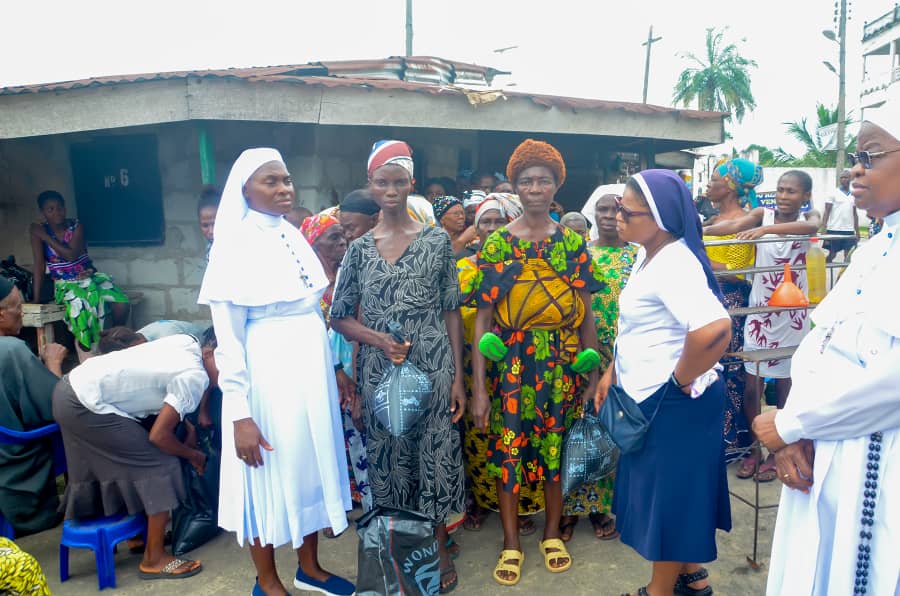
Thanksgiving End of the Year 2025 Party/ Christmas Food Distribution @ Nimo in Collaboration with Dr & Dr Chris Aniedobe – Sponsors of Hope For indigent Persons (HIP).
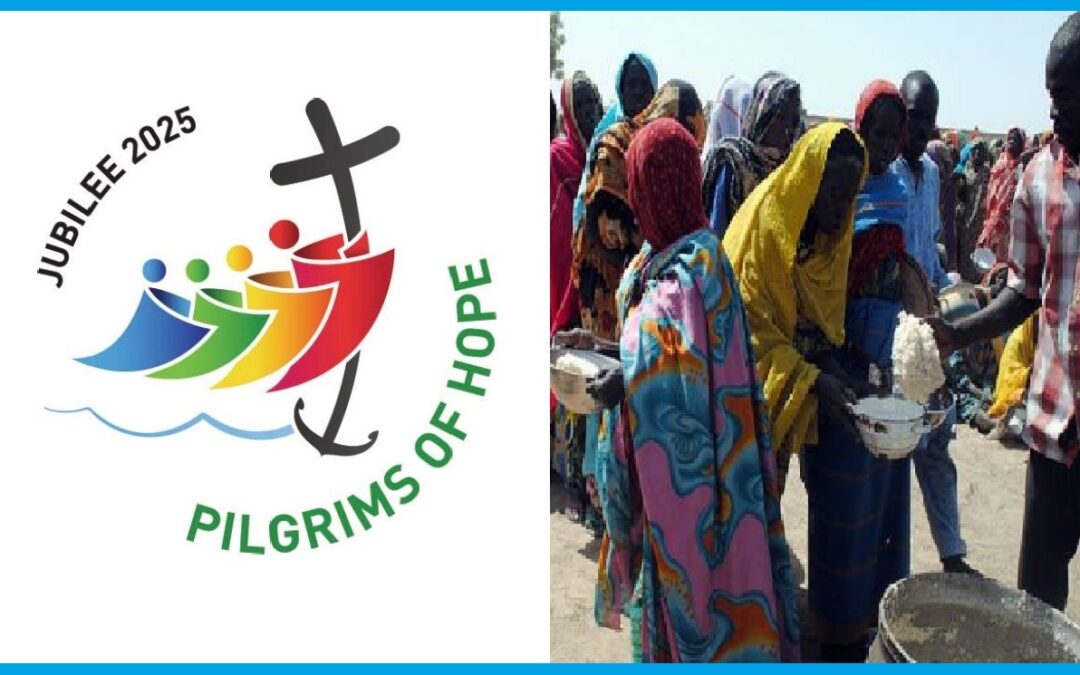
November 16 stands as a beacon of hope for millions globally as the Catholic Church and the world celebrate the Jubilee of the Poor, inspired by Pope Leo XIV’s compassionate call to solidarity, mercy, and justice. This day is not just a calendar fixture but a movement – a chance for communities, faith-based organizations, and individuals to recognize, embrace, and uplift those living on the margins of our society.
At Queen of Mercy Network, this mission is a daily, unwavering commitment. This Article explores how each of us, can respond to Pope Leo XIV’s summons to build a world of dignity, compassion, and restoration.
Understanding the Jubilee of the Poor – Pope Leo XIV’s Message
The Jubilee of the Poor is anchored in renewing awareness of those living in poverty. whether in body, mind, or spirit and seeing Christ in every face that struggles with material need, loneliness, or exclusion. As Pope Leo reflected in his exhortation Dilexi Te – “I Have Loved You”, our love for Christ is inseparable from our love for the poor. The most vulnerable teach us about the Gospel and its demands: courage, faith, and perseverance in the face of adversity.
“The Holy Father writes that ‘the poor have much to teach us about the Gospel and its demands… Their courage, faith, and perseverance reveal to us the living presence of Christ and invite us to a deeper conversion of heart.”
The Hidden Faces of Poverty
Poverty is not always visible. The bishop’s letter notes that it is easy to identify those lacking food, housing, or employment, but not as easy to recognize poverty in those suffering from isolation, anxiety, or despair. This is a challenge Queen of Mercy Network accepts daily, expanding its outreach to invisible needs, mental health, dignity, inclusion – as much as food and shelter.
Transforming Compassion into Action: What We Do at Queen of Mercy Network
Every act of kindness counts. Pope Leo XIV and the world’s bishops invite us to listen, encounter, and serve. Queen of Mercy Network puts this call into tangible, transformative action in several ways:
Emergency Shelter and Feeding Programs: Daily outreach serves meals and provides temporary shelter, ensuring indigent persons have safe places to rest and nutritional support.
Medical Aid and Access: By partnering with healthcare providers and mobilizing volunteer professionals, we deliver free and subsidized medical care to those denied access because of poverty or exclusion.
Education Empowerment: Scholarships, vocational training, and literacy programs help indigent children and young adults break the cycle of poverty.
Legal Rights Advocacy: Queen of Mercy Network works with legal professionals to help marginalized populations secure their rights, access justice, and navigate bureaucratic hurdles.
Mental Health Outreach: We run counseling and support groups for those isolated by mental health struggles, helping restore hope where despair dominates.
Community Building: Every program is designed to foster inclusive communities where each person is valued, and hope is restored.
How You Can Join the Jubilee of the Poor
Drawing from Pope Leo’s vision, responding to the call is simple but profound: encounter, listen, act, pray.
1. Encounter and Listen
Take time to listen to the stories of indigent persons in your community. Often, a listening ear is the first step to helping restore dignity.
2. Volunteer
Join us at Queen of Mercy Network. Volunteers are the heartbeat of our programs—from feeding and sheltering to mentorship and advocacy.
“On this World Day of the Poor, I invite you to join me in taking a simple, prayerful step toward encounter: listen to someone who is struggling, volunteer through your parish or a local ministry that helps those who are hungry and hurting…”
3. Donate
Your financial contribution, no matter how small, powers medical relief, food drives, scholarships, and shelter for the most vulnerable.
4. Share and Advocate
Spread the word online, in your parish, and on social media. Advocacy begins with awareness – help shine a light on hidden needs.
5. Pray
Join us in prayer for the poor – the forgotten, the sick, the lonely, the excluded. Prayer breaks barriers and unites hearts.
Building Communities of Value, Restoring Hope
The community means “where every person is valued, hope is restored, and where the love of Christ is made visible.” At Queen of Mercy Network, we strive daily to embody this vision, building communities where not charity but justice and mercy guide our steps.
Walking With the Poor: Lessons for Africa and Beyond
Africa faces daunting poverty statistics, but organizations like Queen of Mercy Network prove that change begins one person at a time, one act at a time. Our work reaches the forgotten corners – rural villages, city slums, homeless encampments – bringing hope through practical help and lasting investment in people’s lives. We believe, as Pope Leo and the bishop teach, that every person is a beloved child of God, worthy of dignity and compassion.
Responding to Pope Leo XIV’s Call – Why We Matters
November 16’s Jubilee of the Poor is a global stage for local action. Pope Leo XIV’s message reminds us that “the love of Christ is made visible” through our work; listening, serving, giving, and advocating for the lowest among us.
If you’re searching for how to help the poor, support indigent persons, or join a trustworthy mission for social impact in Africa, Queen of Mercy Network offers many ways to make a difference. Donate, volunteer, share, pray and help turn compassion into hope, advocacy into justice, and service into restoration.
Let us walk together toward a world where, as Pope Leo XIV proclaims, poverty is met not with indifference or mere charity, but with a loving commitment to justice, dignity, and mercy for all.
“May this observance renew in all of us the desire to be a Church that loves as Christ loves – a Church that walks with the poor, learns from them, and serves them with humility and compassion.”
Join us at Queen of Mercy Network, and help deliver the hope that every indigent person deserves.
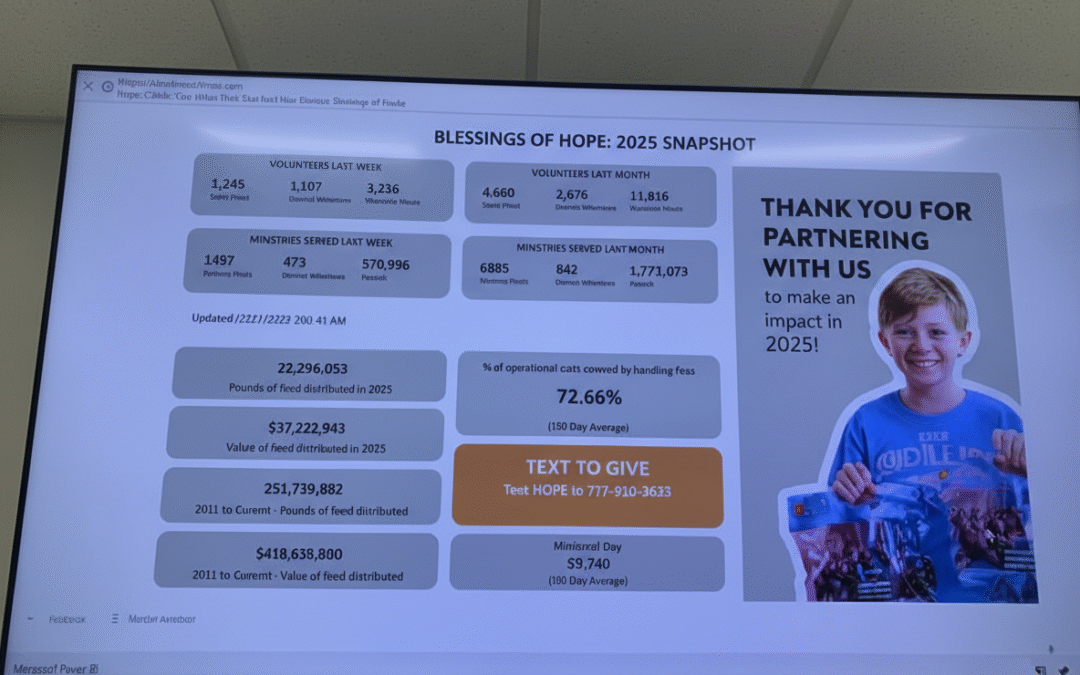
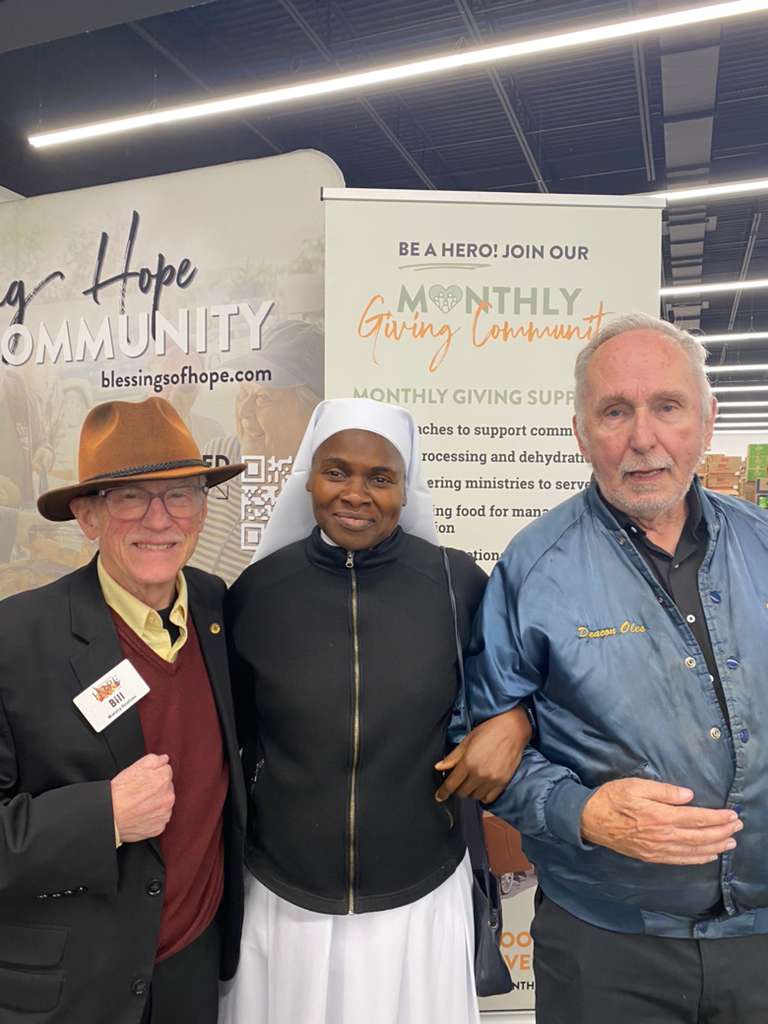
Hope for Indigent Persons is honored to partner with Blessings of Hope Lancaster. During a recent visit, Bill Hager, an exceptional Relations Associate with a heart of gold, guided Deacon Mike and Sister Hilda on an inspiring tour of the organization’s expansive food distribution centers, which empower ministries to support the poor. We remain deeply grateful to the four visionary brothers who founded this life-changing initiative. May God inspire people in Nigeria where hunger and food scarcity remain a major challenge to remember the poor!
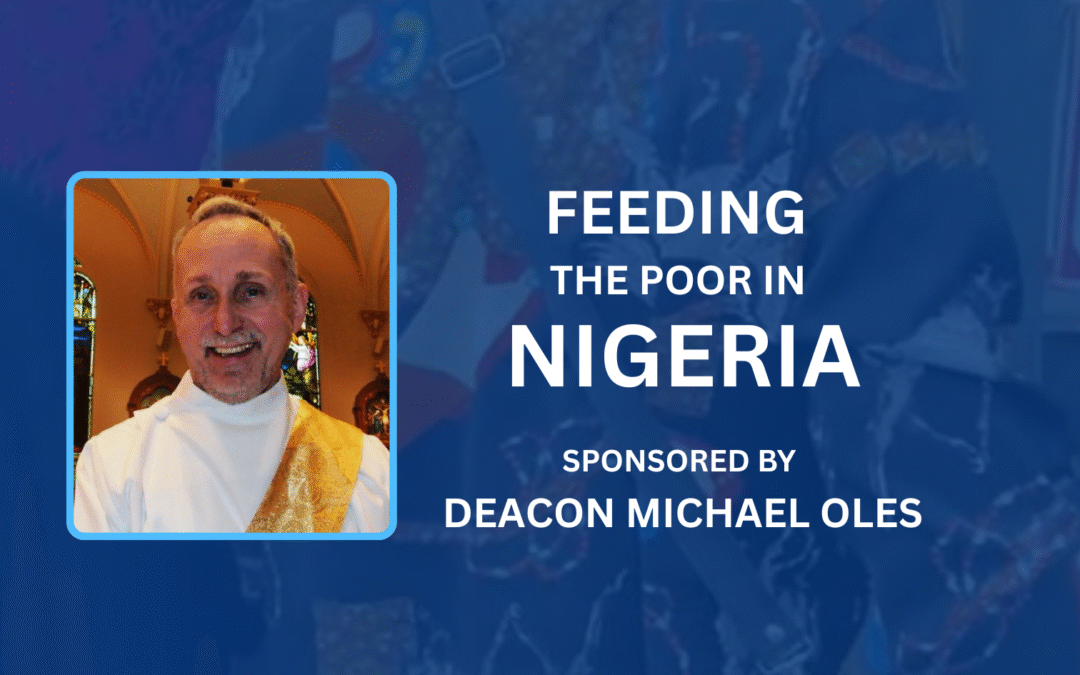
At a time when more than half of Nigeria’s population struggles with severe economic hardship, Hope for Indigent Persons (HFIPs) stepped forward to bring hope where it is needed most. In early October 2025, HFIPs led by Sister Hilda Ify Uzokwe and sponsored by Deacon Michael J. Oles carried out a compassionate food distribution project in Oguta, Imo State. Through this act of generosity, struggling families received essential relief and a renewed belief that they are not forgotten.
Hope for Indigent Persons (HFIPs) in Oguta, Imo State, Nigeria, spearheaded by its Founder Sister Hilda Ify Uzokwe and generously sponsored by Deacon Michael J. Oles, carried out a crucial food distribution exercise in early October 2025. This act of kindness came at a critical time when Nigeria faces staggering poverty rates. With over 54% of the population living in poverty by 2025, as estimated by the World Bank, the work done by HFIPs is more vital than ever. This article delves into the grim statistics underpinning Nigeria’s poverty crisis, explains the importance of the HFIPs initiative, acknowledges the generosity of its sponsors, and calls on readers to support this life-changing cause.
Facing the Harsh Reality of Poverty in Nigeria
Nigeria is often described as the poverty capital of the world, a reflection of decades of economic challenges, inequality, and systemic issues. As of 2025, World Bank data show that about 75.5% of Nigerians living in rural areas are trapped in poverty. The disparity between urban and rural poverty is stark: while 41.3% of urban Nigerians live below the poverty line, almost double that percentage of rural citizens do. Nationwide, over half of Nigerians, approximately 54%, are estimated to live in poverty today, up sharply from 30.9% before the COVID-19 pandemic.
This widespread poverty manifests in dire conditions: lack of access to sufficient food, clean water, sanitation, electricity, education, and healthcare. Children and women are disproportionately affected, with poverty rates among children 0-14 years at 72.5% and among females around 63.9%. Lack of formal education compounds poverty, with nearly 80% of those without education living below the poverty line.
Despite Nigeria’s large economy by GDP size, it ranks as the 12th poorest country by GDP per capita globally in 2025, reflecting deep income inequality and economic challenges such as dependence on oil, lack of diversification, and weak infrastructure.
The Impact of Hope for Indigent Persons (HFIPs)
It is against this backdrop that Hope for Indigent Persons steps in with urgent aid and empowerment programs. Founded by Sister Hilda Ify Uzokwe, HFIPs recognizes the necessity of addressing immediate humanitarian needs while building longer-term support networks for the indigent in communities like Oguta in Imo State.
The October 2025 food distribution exercise in Oguta provided essential food items to indigent individuals and families, helping to alleviate immediate hunger and food insecurity. The initiative is more than just relief, it represents dignity, hope, and community solidarity, crucial elements in combating the social effects of poverty.
Sister Hilda’s vision is supported by a team of dedicated volunteers, including Deacon Michael J. Oles, whose sponsorship and fundraising efforts are vital to the sustainability of HFIPs projects. His leadership and generosity exemplify the power of committed individuals to spark meaningful change through social responsibility and faith-driven philanthropy.
Why Your Support is Crucial
With millions of Nigerians still suffering from poverty and food insecurity, HFIPs relies on public support to continue and expand its reach. Contributions to HFIPs directly fund food distributions, healthcare access initiatives, educational programs, and community development projects.
There are compelling reasons for readers and potential donors to support HFIPs:
– Urgent Humanitarian Need: The poverty statistics in Nigeria are alarming, with large segments of the population living below survival thresholds. Immediate aid like food distribution is life-saving.
– Empowerment through Partnership: HFIPs not only provides relief but also works to empower recipients through social inclusion and awareness, creating a foundation for improving lives beyond the immediate crisis.
– Transparency and Impact: With committed leadership and clear objectives, HFIPs ensures that donations and resources reach the intended beneficiaries efficiently.
– Community Upliftment: Supporting HFIPs helps in strengthening communities like Oguta, fostering resilience and hope amidst adversity.
Donating to HFIPs is a meaningful way to contribute to ending poverty in Nigeria and changing thousands of lives for the better.
How to Get Involved
Contributors can help Hope for Indigent Persons in multiple ways:
– Monetary Donations: Use this Linkto donate securely online. Every contribution counts, no matter the size.
– Volunteerism: Offer your time and skills in fundraising, awareness campaigns, or local aid distribution efforts.
– Advocacy: Use social media platforms and community networks to spread the word about HFIPs and the poverty crisis in Nigeria, motivating others to act.
By joining forces, individuals, businesses, and organizations can amplify the impact of HFIPs and help transform lives across Nigeria.
A Heartfelt Thank You to Deacon Michael J. Oles
The success of HFIPs’ programs is anchored by key supporters like Deacon Michael J. Oles. His financial sponsorship and volunteer work have played a crucial role in bringing relief to the impoverished. The collaboration between Deacon Oles and Sister Hilda Ify Uzokwe epitomizes how faith, leadership, and commitment can overcome social challenges and restore hope to the indigent.
Be a Part of Nigeria’s Hope
The poverty situation in Nigeria is daunting, but initiatives like Hope for Indigent Persons offer a powerful response rooted in compassion and action. The October 2025 food distribution in Oguta, Imo State, symbolizes the positive change that is possible when communities and individuals come together.
Readers are encouraged to support HFIPs through donations, volunteer work, or spreading awareness. Every action counts in the fight against poverty.